Considering jawline slimming with botox in houston? Start with a consultation.
Book Consultation(opens in a new tab)What it treats
- Wide-looking jawline from masseter hypertrophy
- A square lower face out of proportion with the upper face
- Bruxism (clenching) that has built up muscle bulk
- Asymmetric jaw width from uneven masseter development
Products used in this treatment: Jeuveau (prabotulinumtoxinA-xvfs), Dysport (abobotulinumtoxinA)
How jawline slimming is different from filler-based jaw contouring
People often conflate these two treatments. They are opposite approaches.
Filler-based jaw contouring adds product along the jawline to define a sharper, more chiseled edge. It works by adding mass to areas where you have less definition. Good for patients with a soft or undefined jawline.
Jawline slimming with neurotoxin works by reducing mass from areas where you have too much. Good for patients with a wide jawline from oversized masseters.
Some patients benefit from both - reduce the wide masseter, then add definition with filler along the jawline edge. We sort it out at consult based on what your actual anatomy is doing.
The timeline I share with new patients
This is not a same-day result. The masseter is a large muscle and the visible slimming comes from gradual atrophy over weeks, not from immediate paralysis.
- Week 1-2: Some patients notice less clenching and softer jaw tension. No visible change yet.
- Week 6-8: Subtle visible narrowing starts.
- Month 3: Meaningful change for most patients after a single treatment.
- After 2-3 treatments over a year: Maximum result. Some patients can stretch maintenance to every 6 months at this point.
Patients expecting before-and-after photos like the marketing shots after a single visit are usually disappointed. Patients who commit to the timeline are usually happy.
Dosing and what to expect at appointments
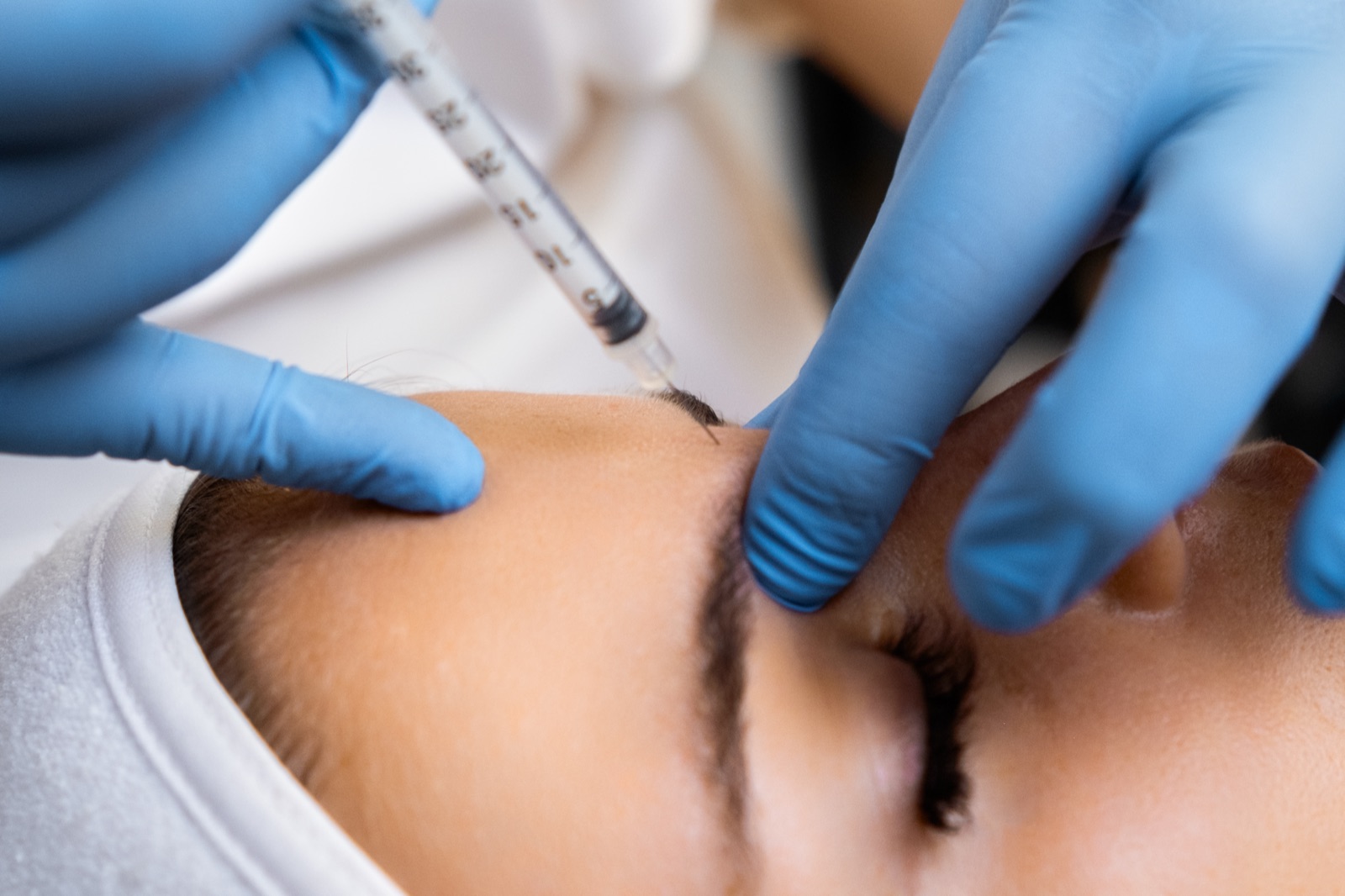
15 to 30 units of Jeuveau per side is typical for jawline slimming, depending on starting masseter bulk. The injection is deep into the muscle belly. I avoid the surface to prevent neurotoxin migration into adjacent facial muscles (which can affect smile symmetry).
You can go straight back to work. Some patients report mild chewing fatigue with tough foods for the first 2 to 3 weeks. Most patients do not notice the chewing change at all after adapting.